
Technique
How to color fabric so it looks like fabric
Flat color says “red”. Texture says “red velvet”. A short guide to the materials that show up most in fashion coloring pages.
Every fabric handles light differently, and that is all texture is. Shiny fabrics have hard, bright highlights; matte ones have soft, wide shadows; rough ones break the light into a grain. If you draw by hand, those are the three things to imitate. If you color digitally, you can apply the material itself and spend your time on the palette.
Color the Look has 41 fabric textures and 39 patterns that sit on top of any color you fill, so the examples below are one tap each.
Leather and patent
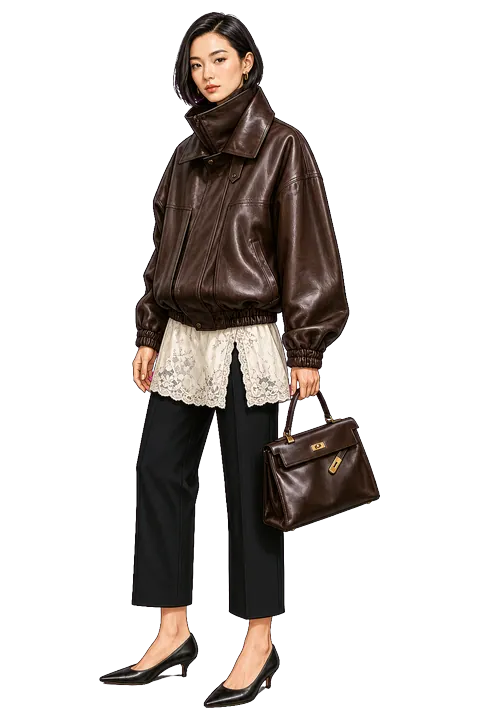
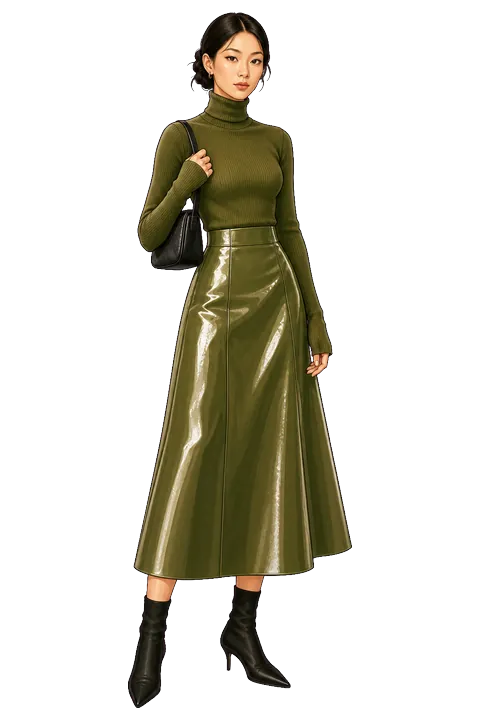
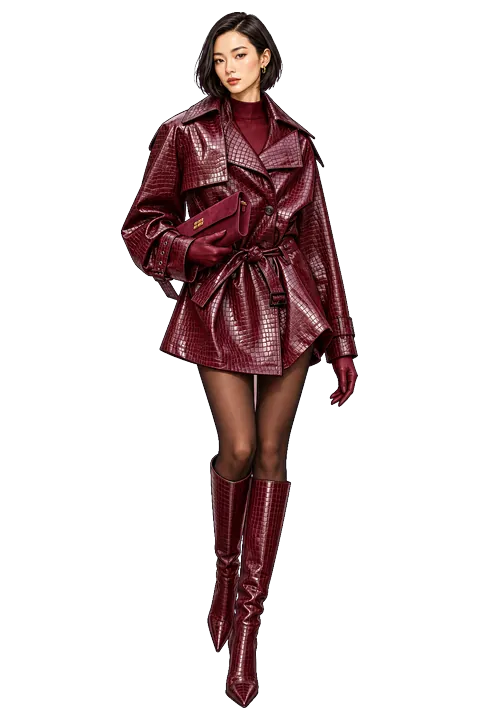
Leather creases at elbows, waist and ankles, and the highlight follows the crease. Smooth leather is matte with soft light; patent and lacquer are mirror-bright. Use a slightly lighter shade than you want, because leather texture darkens a color.
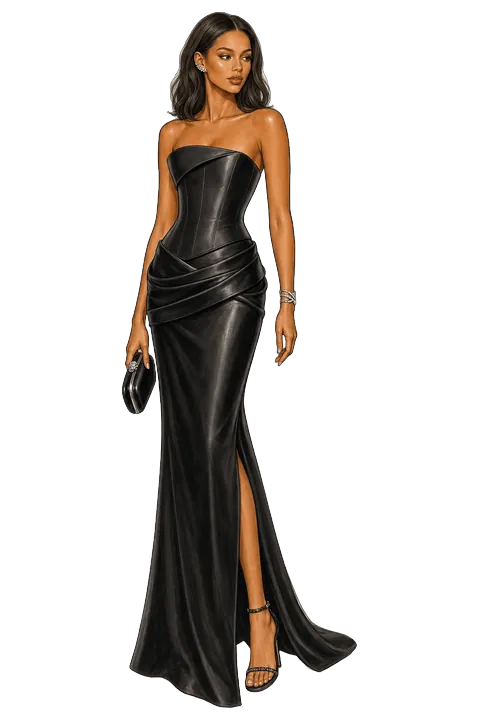
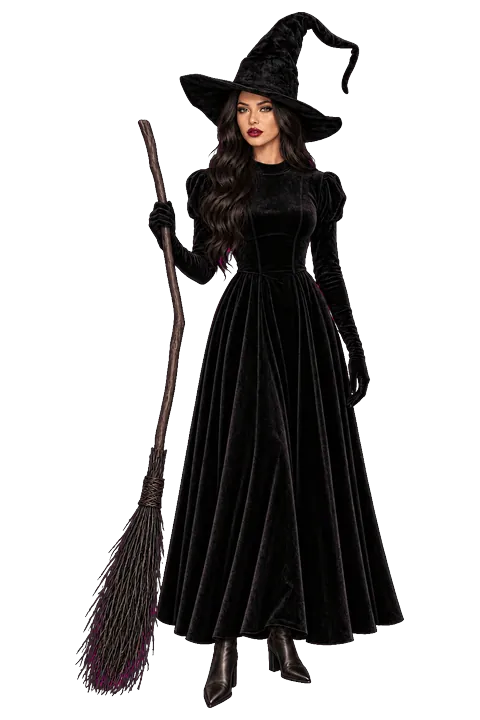
Satin, silk and velvet
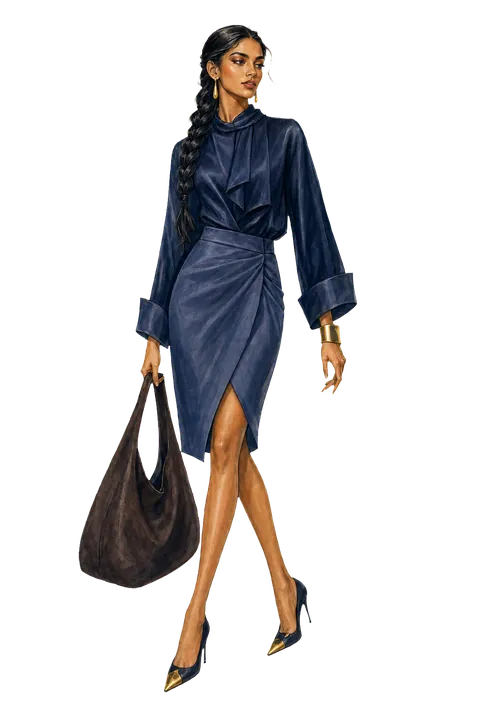
Satin and silk shine in long, liquid streaks along the folds. Velvet does the opposite: it is darkest where satin would be brightest, with a soft glow at the edges. Jewel tones — emerald, garnet, midnight — show both at their best.
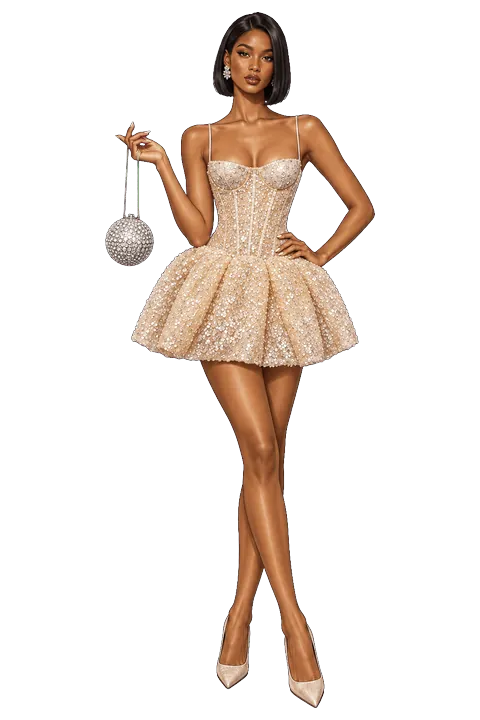
Sequins, paillettes and glitter
Hundreds of tiny mirrors, each catching light at a different angle. Drawing them one by one is a weekend; applying them as a material is a second. Keep everything around sequins plain.
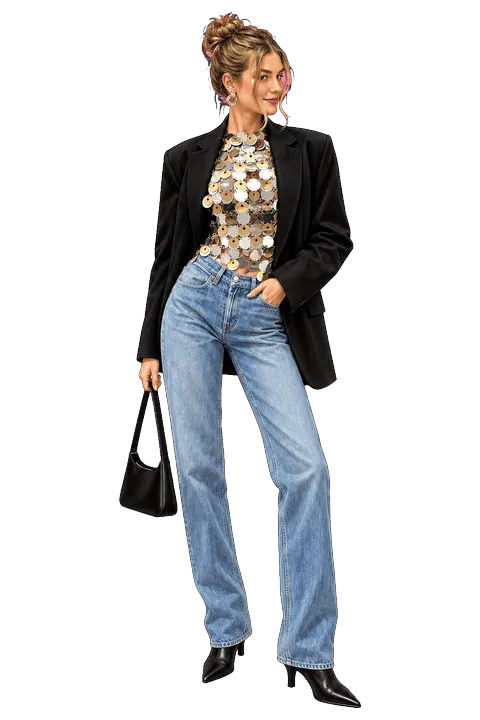
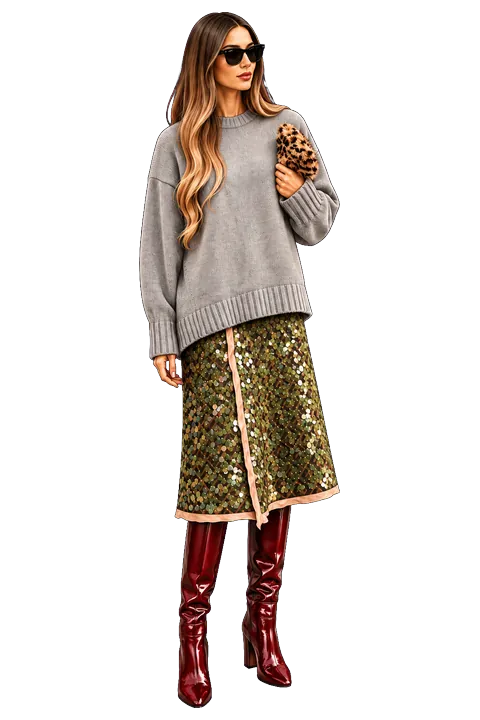
Denim, knit and tweed
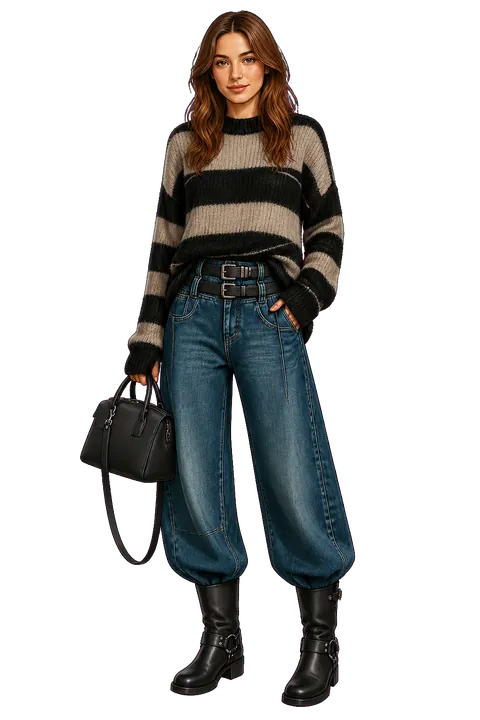
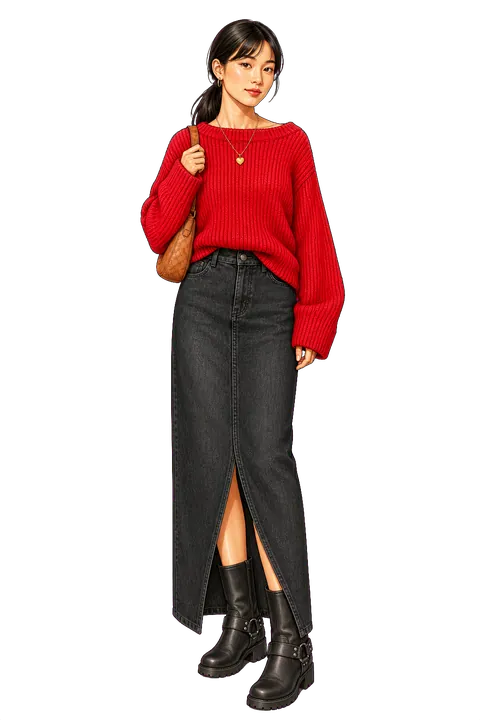
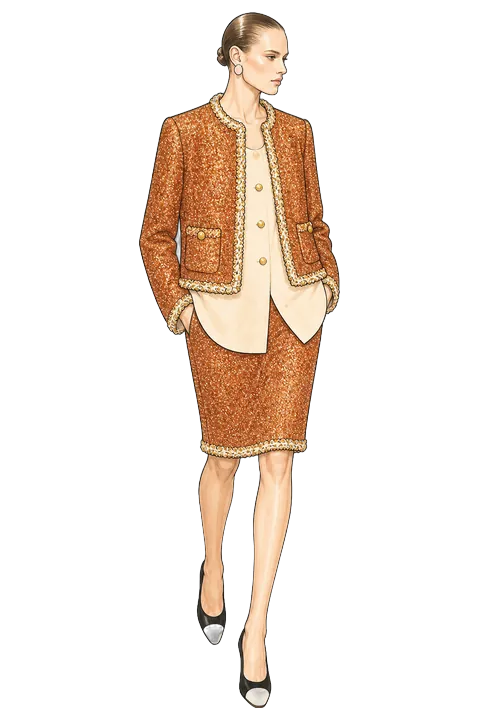
The matte, everyday fabrics. Denim has a diagonal weave and fades at the seams; knit has ribs you can follow with your shading; tweed is a small woven grid that reads best in two close colors.
Patterns are a second layer
A pattern — leopard, polka dots, gingham, plaid, florals — sits over the color and can be combined with a material. Leopard on a midi skirt, tartan on a coat, dalmatian spots on a fur collar: one patterned piece per outfit is usually enough.
Frequently asked
How do you color fabric realistically?
Decide whether the fabric is shiny, matte or rough. Shiny fabrics like satin and leather need sharp highlights along the folds; matte fabrics like wool and knit need soft shadows; rough fabrics like tweed and denim need a visible grain. In a digital coloring app you can apply the fabric as a texture over a flat fill.
How many fabric textures does Color the Look have?
41 fabric textures, including leather, suede, satin, silk, velvet, denim, knit, tweed, wool, lace, mesh, sequins and glitter, and 39 patterns such as leopard, zebra, polka dots, gingham, plaid and florals.
What is the easiest fabric to color?
Matte fabrics such as cotton, knit and wool are the most forgiving because they have no hard highlights. Sequins and satin are the hardest by hand and the easiest digitally, where they are applied as a material.
